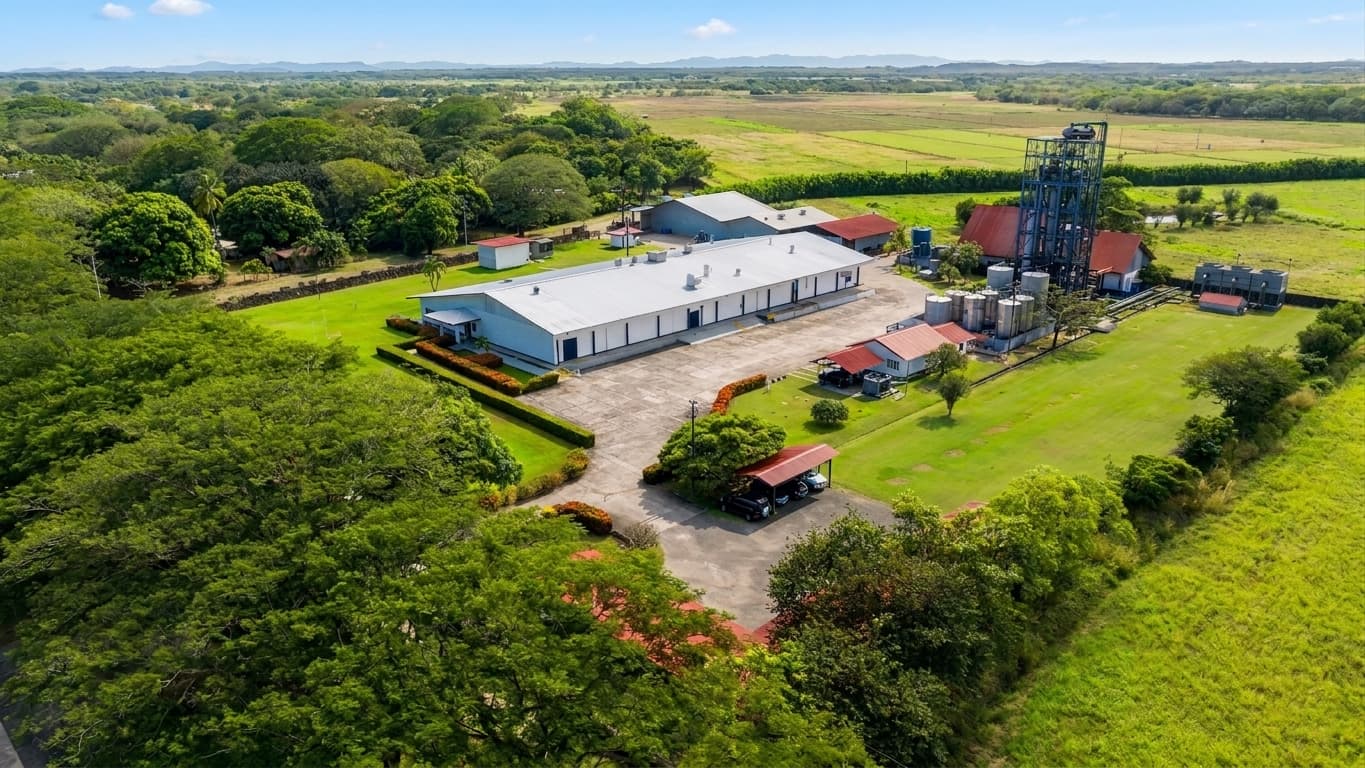
Acemannan Science
Why NaturManan® Uses Ethanol Extraction
Aligning Extraction with Aloe Polysaccharide Research
Many of the biological activities attributed to Aloe vera in scientific literature are associated with structural polysaccharides present in the inner gel, particularly acetylated β-(1→4) polymannans commonly referred to as acemannan.
The preservation of these polysaccharides depends strongly on how the Aloe gel is processed after harvest.
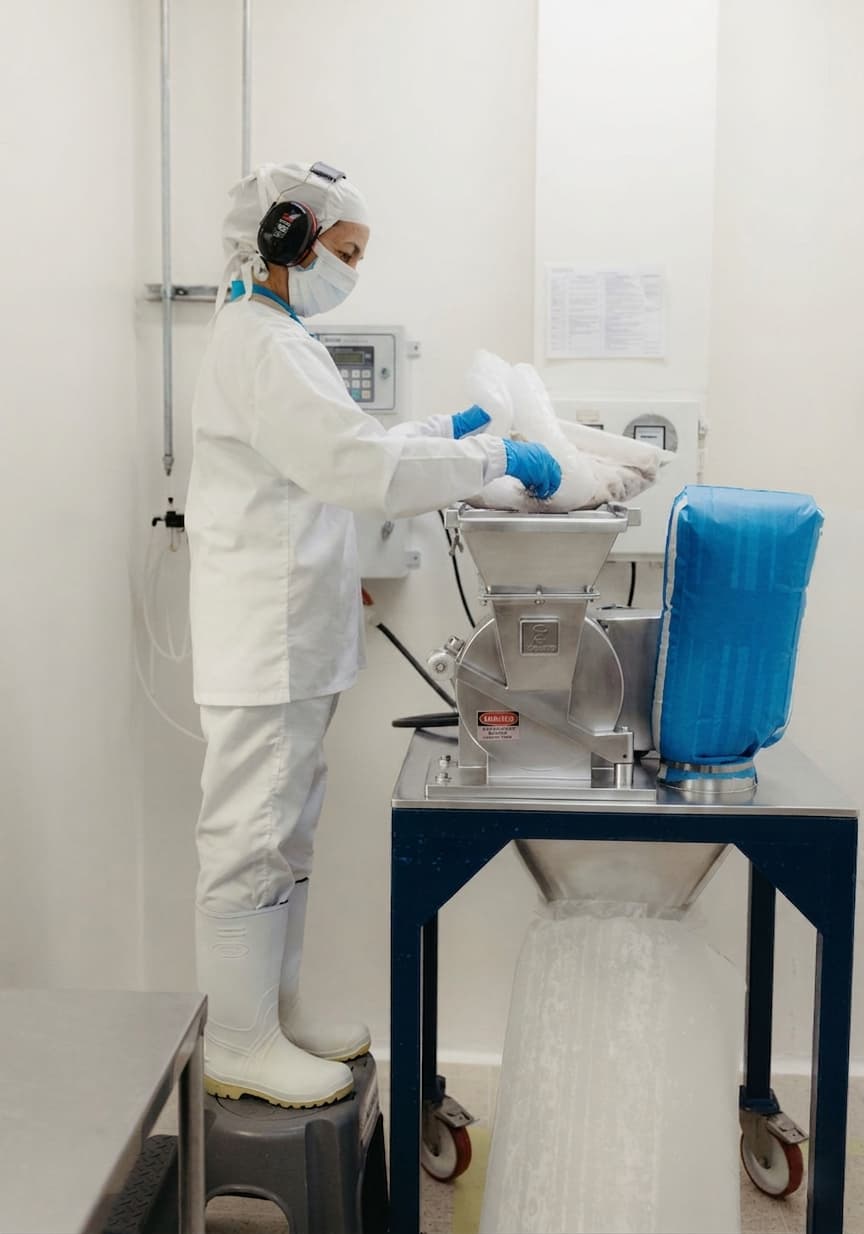
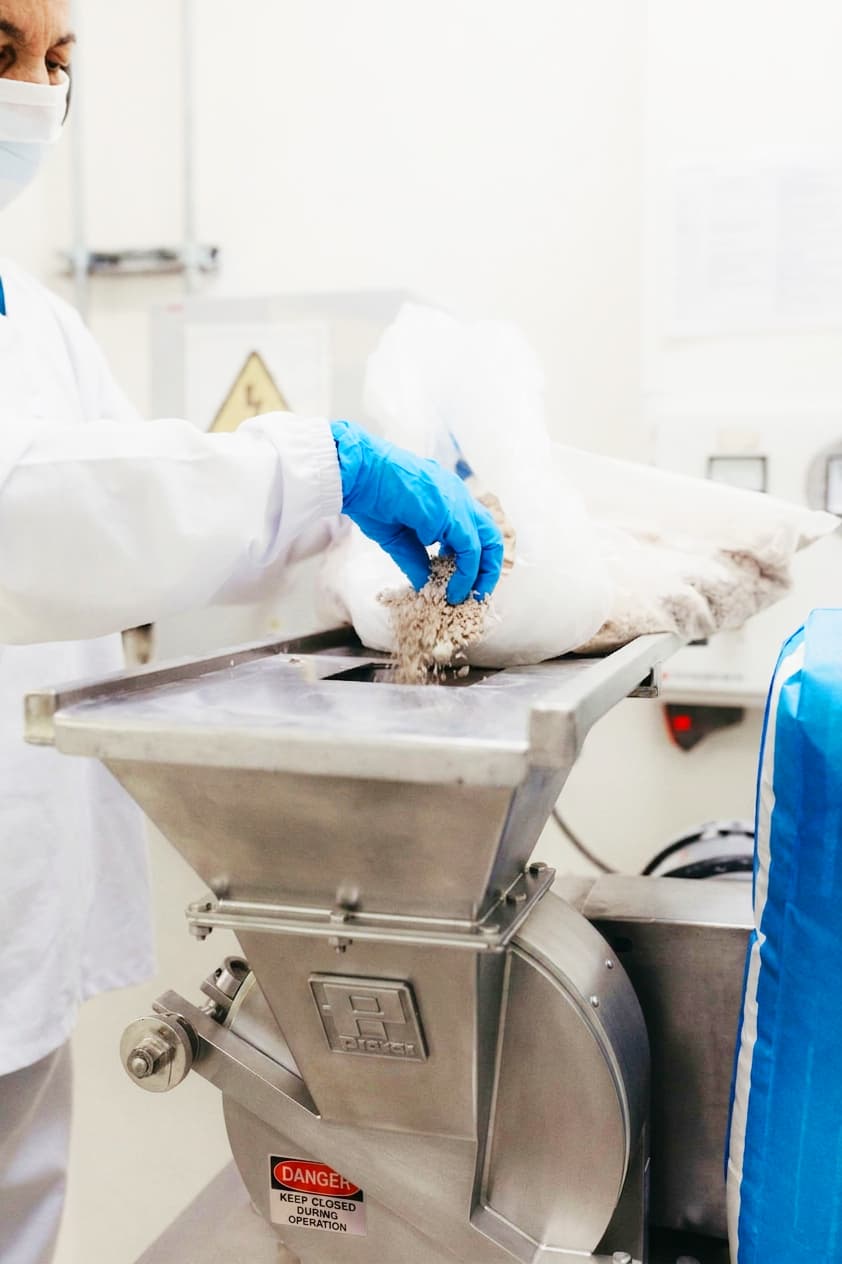
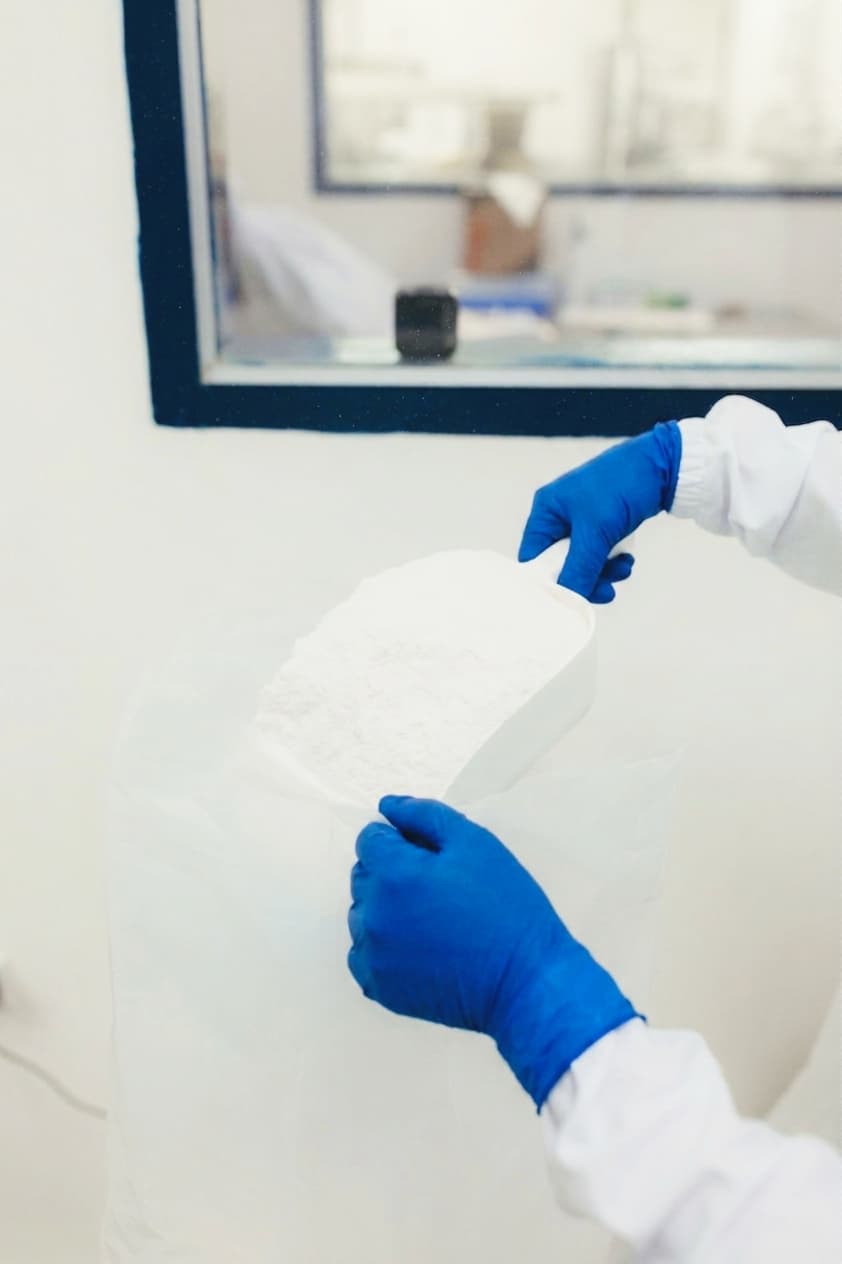
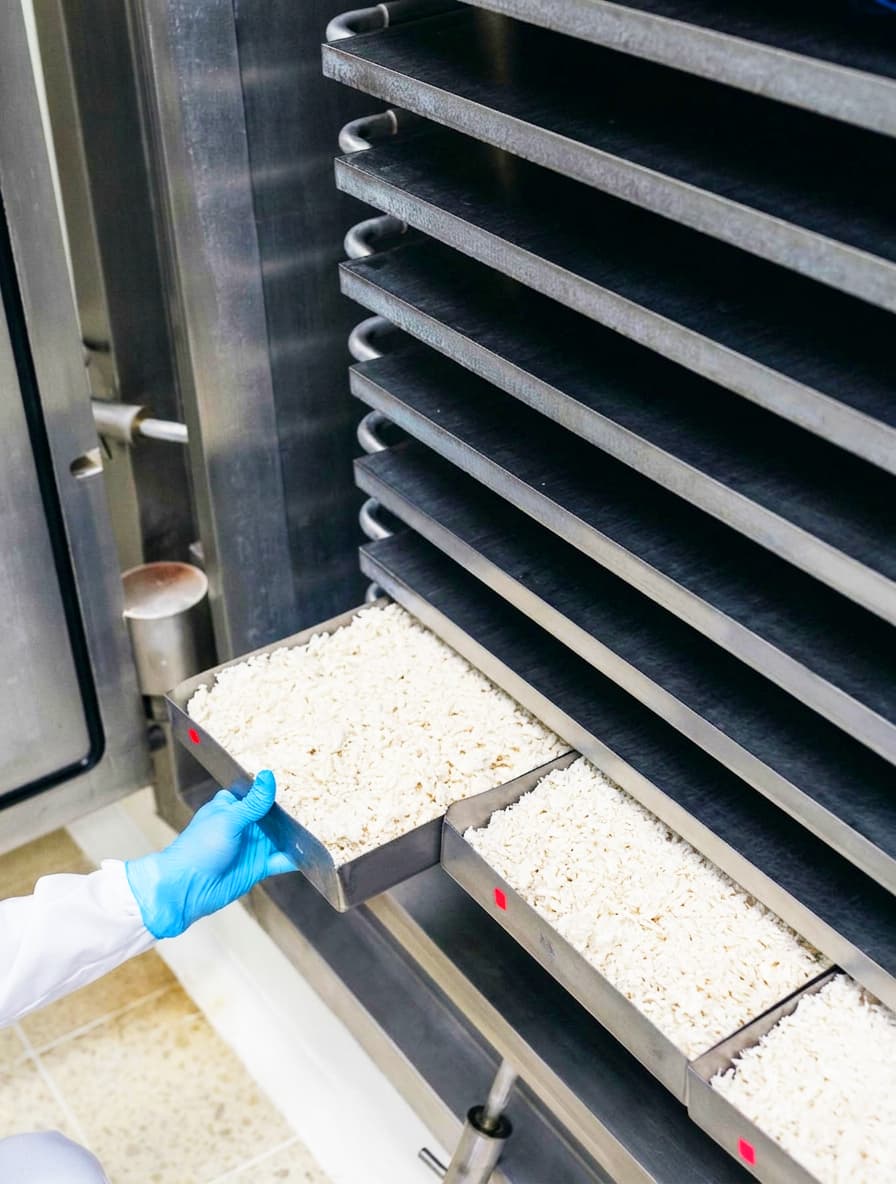
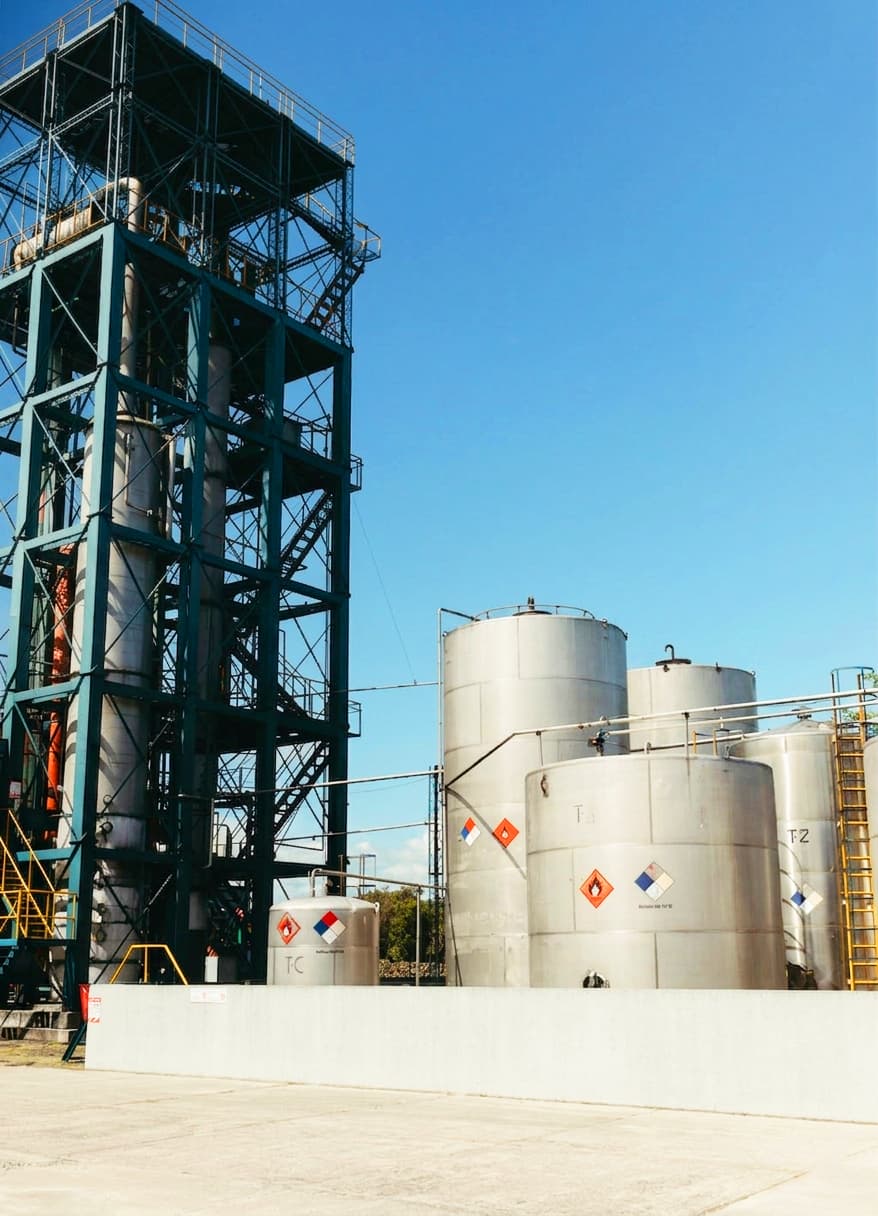
NaturManan® uses a controlled ethanol extraction process, a method widely applied in carbohydrate research to isolate plant polysaccharides while minimizing structural degradation.
How Aloe Polysaccharides Are Isolated in Research
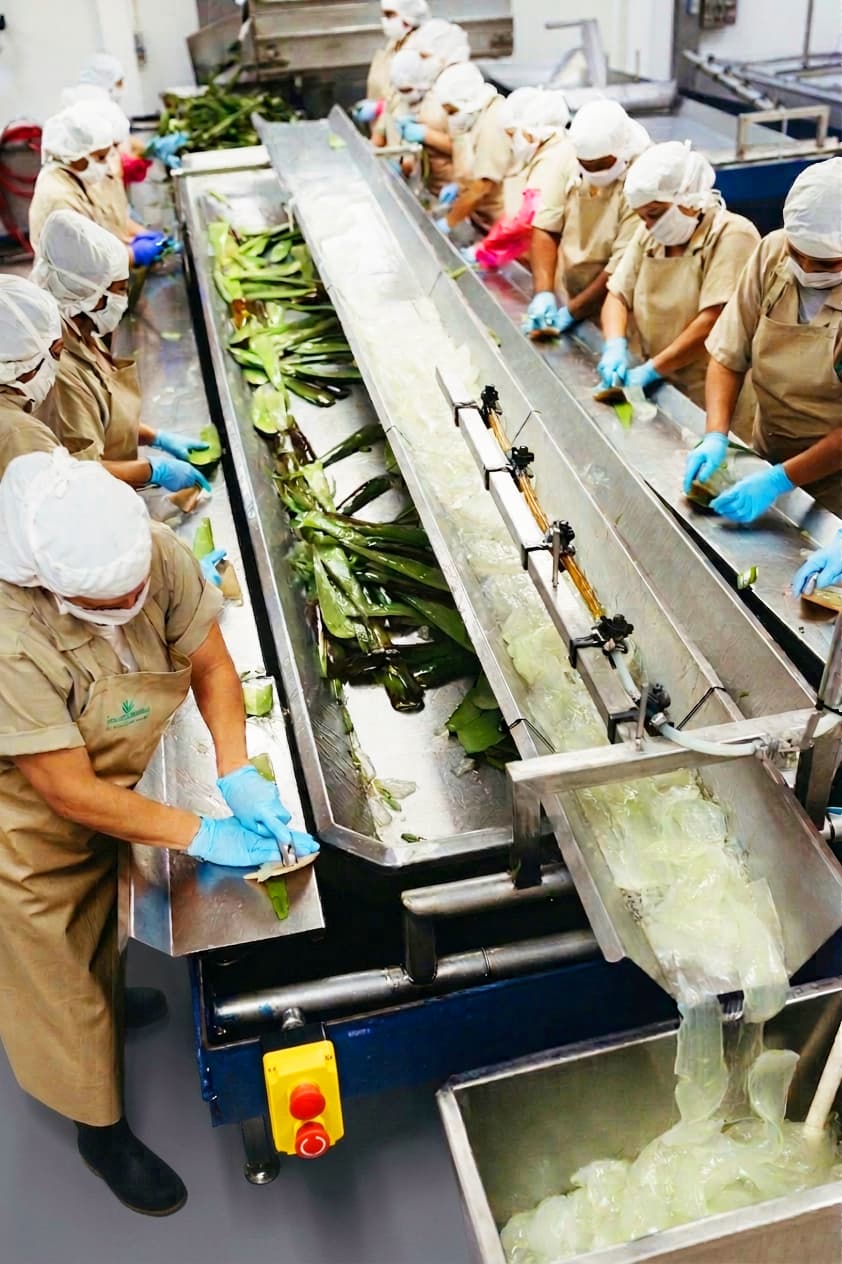
In laboratory studies investigating Aloe polysaccharides, researchers typically follow a sequence similar to the following:
- Fresh gel extraction.
- Aqueous extraction of soluble polysaccharides.
- Alcohol extraction (ethanol or methanol).
- Recovery of high-molecular-weight polysaccharide fractions.
Alcohol extraction is used because it selectively causes long-chain polysaccharides to precipitate, allowing researchers to isolate these compounds for:
- Structural analysis.
- Molecular weight characterization.
- Immunological assays.
- Biological activity testing.
This approach is commonly described in studies analyzing acemannan structure and activity.
References:
- Ni et al., Carbohydrate Research, 2004.
- Chokboribal et al., Carbohydrate Polymers, 2015.
- Eshun & He, Critical Reviews in Food Science and Nutrition, 2004.
Structural Sensitivity of Acemannan
Acemannan is an acetylated polymannan whose biological properties are associated with several structural characteristics:
- High molecular weight.
- Degree of acetylation.
- Polymer branching structure.
Scientific studies indicate that these features may be affected by thermal processing and enzymatic hydrolysis.
Exposure to intensive processing heat, enzymes and active carbon may lead to:
- Reduction in molecular weight.
- Loss of acetyl groups.
- Partial hydrolysis of polysaccharide chains.
These structural changes can alter the physicochemical behavior of the polysaccharide matrix.

Conventional Aloe Concentrate Processing
Traditional large-scale Aloe concentrate production often includes:
- Heat pasteurization.
- Enzymatic clarification .
- Activated charcoal filtration.
- Evaporation or spray drying.
These processes are primarily designed to:
- Stabilize the product.
- Remove pigments and anthraquinones.
- Produce high-volume concentrates such as 200X powders.
However, the objective of this process is industrial stability and clarification, not necessarily preservation of native polysaccharide structures.
| Company | NaturManan | Company BA | Company A |
|---|---|---|---|
| Average Molecular Weight (Da) | 1,790,000 | 146,000 | 73,445 |
| Polymeric Acetylated Mannans Content | 57.8% | 11.8% | 10.9% |
| Sugar Composition | |||
| Mannose | 67.70% | 46.40% | 33.50% |
| Glucose | 3.00% | 52.00% | 66.50% |
| Galacturonic acid** | 17.40% | 0.80% | n.d. |
| Galactose | 4.80% | 0.90% | n.d. |
| Xylose | 3.20% | n.d. | n.d. |
| Arabinose | 1.30% | n.d. | n.d. |
| Rhamnose | 1.00% | n.d. | n.d. |
| Fucose | 0.90% | n.d. | n.d. |
| Glucuronic acid | 0.70% | n.d. | n.d. |
| ** Indication of LM Pectin | |||
| Ethanol Extraction Method | Yes | No | No |
Why Ethanol Extraction Is Used for Polysaccharide Preservation
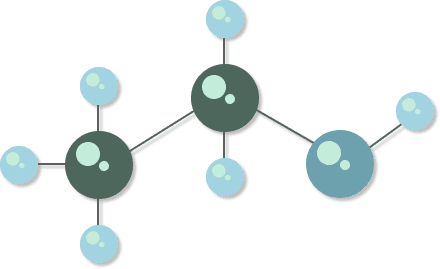
Ethanol extraction provides several advantages when the objective is to concentrate structural polysaccharides:
Low temperature processing
The process can be performed without exposing the extract gel to high thermal stress
Selective extraction
Ethanol selectively extracts the full spectrum of polysaccharides present in the gel, including high molecular weight carbohydrates, while eliminating aloin and other compounds.
Preservation of acetylated polymers
Reduced thermal exposure (cold process) helps maintain acetyl groups present in acemannan.
Recovery of complex polysaccharide matrices
The process retains the full spectrum of plant polysaccharides.
The NaturManan® Approach
NaturManan® applies a controlled version of this principle to obtain a polysaccharide-rich Aloe extract that preserves:
- Acemannan (acetylated polymannans).
- Multi-spectrum molecular weight polysaccharides.
- Naturally occurring Aloe sugars.
- Natural fiber fractions.
- Low-methoxyl pectin components.
Rather than isolating a single compound, the process preserves the structural polysaccharide matrix naturally present in Aloe gel.
Scientific Perspective
Plant polysaccharides are increasingly recognized as biological matrices rather than single molecules, where interactions between structural carbohydrates influence their physicochemical and biological behavior.
Extraction methods that limit structural modification of these polymers are therefore important when the objective is to study or utilize their natural properties.
Ethanol extraction remains one of the most widely used techniques in carbohydrate chemistry for this purpose.
Summary
When the goal is to preserve Aloe’s structural polysaccharides, extraction systems that:
- Minimize heat exposure.
- Avoid excessive enzymatic degradation.
- Reduce harsh purification steps.
Are more likely to maintain the native characteristics of acemannan and associated polysaccharides.
NaturManan® applies a controlled ethanol extraction process designed to preserve these structures and maintain the complex polysaccharide profile naturally present in Aloe vera gel.